Vermentino wine variety in Australia
Vermentino is one of the exciting new white varieties from Southern Italy that are making an impression on the wine scene in Australia.
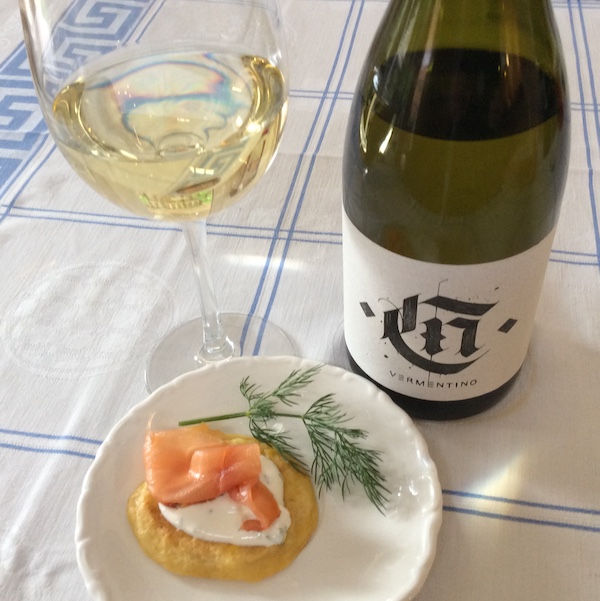
In Italy, France and the Islands
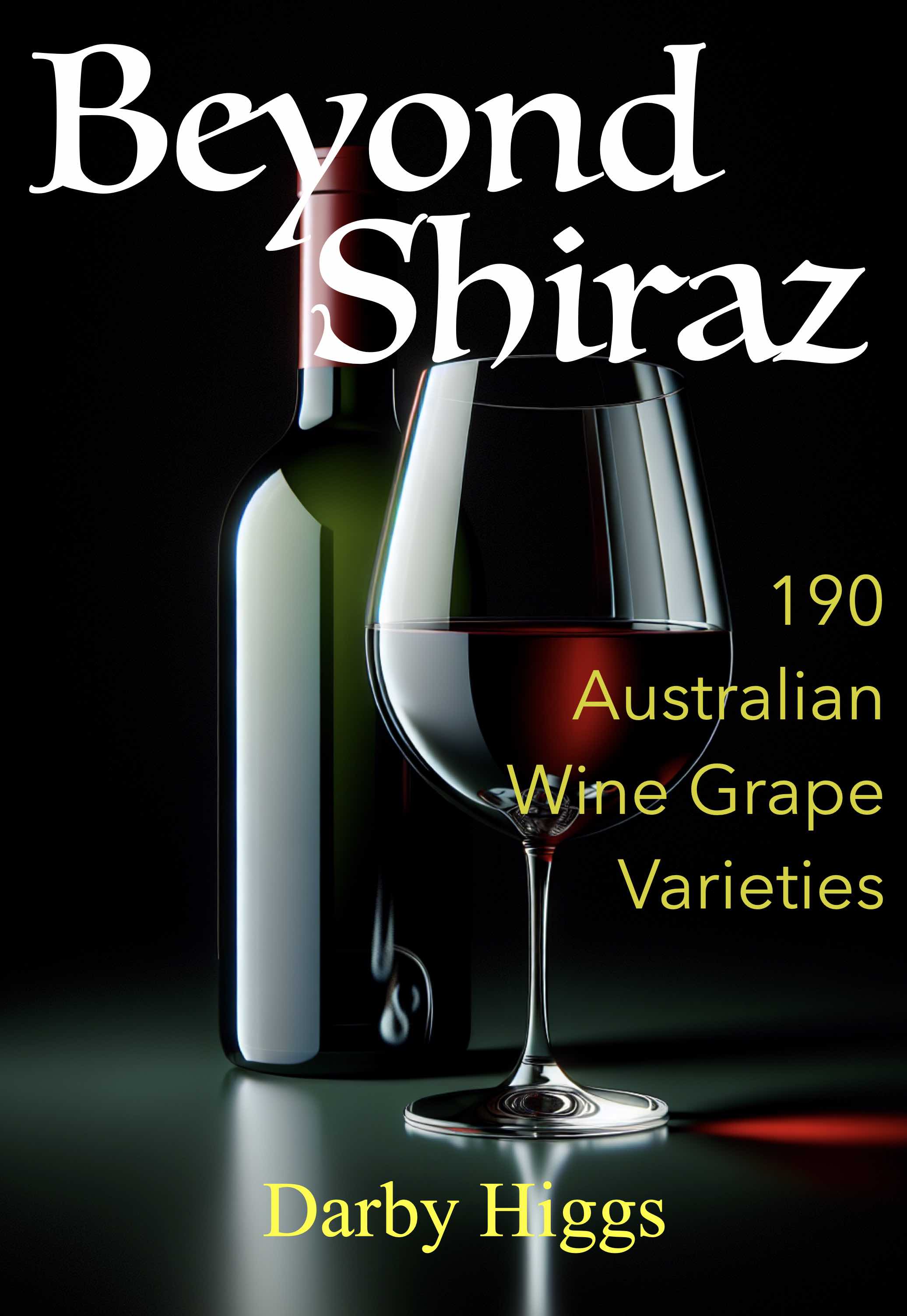
Vermentino is one of the varieties described in my book
What Varietal is That?
Vermentino is an aromatic white wine variety whose native habitat is the Italian region of Liguria and the Mediterranean islands of Sardinia and Corsica. On Corsica it is known as Malviose of Corsica. It is also becoming increasingly popular under the name of Rolle in Provence and in the Languedoc-Roussillon Wine Regions in Southern France.
Other synonyms include Piccobon, Uva Sapaiola, Vermentino Bianco, Formentino (Italy); Carbesso. Carbes, Brustiano di Corsica, Malvasia Grossa, Malvasie Precoce d’Espagne, Malvasie à Gros Grains.
On Sardinia the most highly regarded Vermentinos are from the DOCG region of Vermentino di Gallura in the North East of the island.
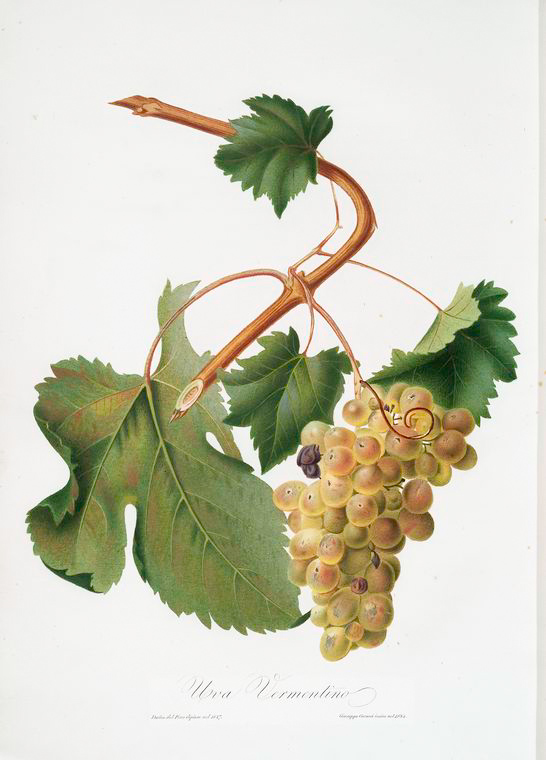
Vermentino wines in Australia
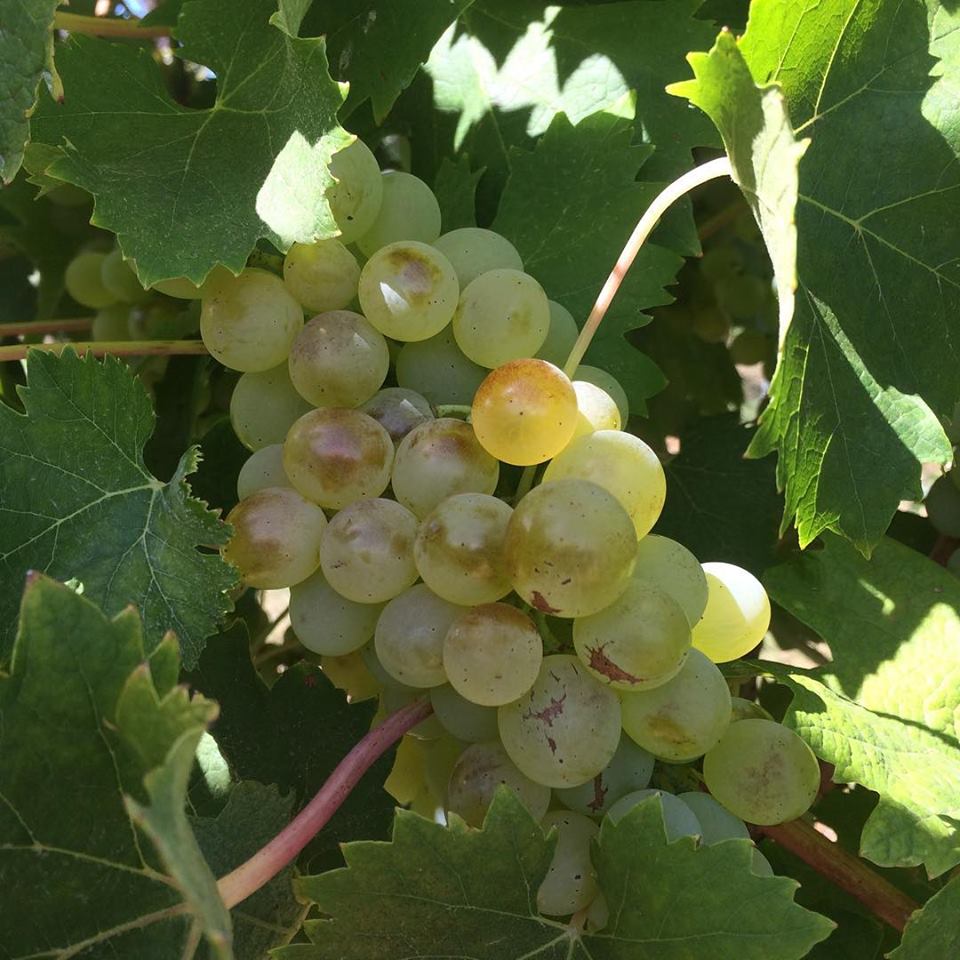
Since the turn of the 21st Century more Australian wineries, especially those in the mild to warm wine regions, are turning to Vermentino.
The variety has the ability to produce wines with firm acidity and good flavour even under the hot conditions experienced in some recent vintages.
One indication of it's growing importance is that since 2009 Australian Alternative Varieties Wine Show (AAVWS) has had a class for Vermentino to be judged separately. Previously it was in the "other whites" classes.
In 2017 there were 41 Vermentino wines judged at AAVWS.
My expectation is that this variety will play an increasingly prominent role in Australian wine regions that are too warm to produce quality wine from varieties like Chardonnay. In fact the variety is well known for its ability to withstand extreme heat waves.
What do you think about this variety?
I'd love your opinion. Please leave a comment in the box near the bottom of this page, or just take a look at what others are saying.
You might like these
Chenin Blanc white wine variety
Chenin Blanc white wine variety. Description and producers in Australia
Savagnin white wine variety
Savagnin white wine variety, introduced by accident but now 70+ Australian wineries are proving its worth.
Gruner Veltliner wine in Australia
Gruner Veltliner in Australia popular in the Adelaide Hills and elsewhere


Australian Producers of Vermentino
There are now more than one hundred producers of this variety, a huge vote of confidence by Australian Winemakers, and the willingness of Australian winelovers to try something new.
Award winning Vermentino
At the AAVWS in 2024 there were 33 Vermentino wines judged. Three gold medals were awarded, five silvers and thirteen bronzes.
The gold medals were won by First Ridge, Pinnacle Drinks and Ricca Terra.
You can buy some Vermentino at Vinodiversity's wine merchant partners
- 919 Wines Riverland
- Alejandro Riverland
- Altair Estate Margaret River
- Ambrook Wines Swan Valley
- Angoves Winery Riverland
- Aravina Margaret River
- Atlas Wines Clare Valley
- Atze's Corner Wines Barossa Valley
- Aylesbury Estate Geographe
- Balancing Heart Wines Granite Belt
- Barangaroo Boutique Wines Grampians
- Bassham Wines Riverland
- Berton Vineyards Riverina
- Big Easy Radio McLaren Vale
- Black and Ginger Grampians
- Blood Moon Heathcote
- Box Grove Vineyard Nagambie Lakes
- Briar Ridge Vineyard Hunter Valley
- Calabria Family Wines Riverina
- Calais Estate Hunter Valley
- Camwell Wines McLaren Vale
- Cappa Stone Murray Darling
- Carpe Diem Margaret River
- Castelli Estate Denmark
- Chalmers Heathcote
- Chapel Hill McLaren Vale
- Cirami Estate Riverland
- Clay Pot Wines Alpine Valleys
- Cofield Wines Rutherglen
- Condie Heathcote
- Conte Estate Wines McLaren Vale
- Craigmoor Estate Mudgee
- Cush and Cush Heathcote
- Dalfarras Nagambie Lakes
- Defialy Macedon Ranges
- Delinquente Wine Riverland
- Della Fay Margaret River
- Dowie Doole McLaren Vale
- Due Jolly Perth Hills
- Ephemera Heathcote
- ess&see McLaren Vale
- Feathertop Alpine Valleys
- Fin Wines Yarra Valley
- Fishbone Margaret River
- Flynn's Wines Heathcote
- Four Winds Vineyard Canberra
- Fowles Wine Strathbogie Ranges
- Fox Creek Wines McLaren Vale
- Garden and Field Barossa Valley
- Gibson Barossa Valley
- Glandore Estate Hunter Valley
- Gumpara Winery Barossa Valley
- Happs Margaret River
- Hay Shed Hill Wines Margaret River
- Heart of Gold Bendigo
- Heartland Wines Limestone Coast Zone
- Heathcote Winery Heathcote
- Heritage Estate Granite Belt
- Hidden Creek Granite Belt
- Hither and Yon McLaren Vale
- Hungerford Hill Hunter Valley
- Jacksons Hill Hunter Valley
- Jamsheed Yarra Valley
- Kangarilla Road McLaren Vale
- Kirrihill Estates Clare Valley
- Koerner Wines Clare Valley
- Krystallo Estate Upper Goulburn
- Kyneton Ridge Macedon Ranges
- La La Land Murray Darling
- La Maschera Barossa Valley
- Lake Breeze Langhorne Creek
- Landaire Padthaway
- Lillypilly Estate Riverina
- Little Frances Beechworth
- Longleat Wines Goulburn Valley
- Love + Glory McLaren Vale
- LS Merchants Margaret River
- Mallee Estate Riverland
- Mandoon Swan Valley
- Mansfield Wines Mudgee
- Marq Margaret River
- Matriarch and Rogue Clare Valley
- McIvor Estate Heathcote
- McPherson Wines Nagambie Lakes
- MDI Murray Darling
- Merindoc Heathcote
- Millbrook Winery Perth Hills
- Mitolo McLaren Vale
- Montebello Estate Hunter Valley
- Mr Mick Clare Valley
- Munari Heathcote
- Muster Wine Company Barossa Valley
- Muto Upper Goulburn
- Myattsfield Vineyard and Winery Perth Hills
- Oak Works Riverland
- Oakover Estate Swan Valley
- Oakway Estate Geographe
- Olivers Taranga McLaren Vale
- Oxenbury Farm McLaren Vale
- Peter Drayton Wines Hunter Valley
- Petersons Glenesk Estate Mudgee
- Pinelli Swan Valley
- Pirate Cru Barossa Valley
- Politini King Valley
- Rabbit and Spaghetti Clare Valley
- Ravenscroft Wines Granite Belt
- Ricca Terra Riverland
- Riverbank Estate Swan Valley
- Ros Ritchie Upper Goulburn
- Route du Van Yarra Valley
- Salena Estate Riverland
- Save Our Souls Gippsland
- Scarborough Wine Hunter Valley
- Seppeltsfield Barossa Valley
- Shadow Creek Wines McLaren Vale
- Signor Vino Riverina
- Sirromet Granite Belt
- Sixty Eight Roses Riverland
- Small Victories WIne Barossa valley
- Spring Spur Alpine Valleys
- Stefano di Pieri Murray Darling
- Summit Estate Granite Belt
- Susuro Port Phillip
- Swinny Frankland River
- Symphony Hill Wines Granite Belt
- Tallagandra Hill Canberra
- Tallavera Grove Winery Hunter Valley
- Tanglefoot Winery Peel
- Taylors Clare Valley
- Temple Bruer Langhorne Creek
- The Overflow Queensland Zone
- Tonon Vineyard and Winery Perth Hills
- Torrent Swan Valley
- Trentham Estate Murray Darling
- Trimboli Riverina
- Truta Bendigo
- Varney Wines McLaren Vale
- Vasarelli McLaren Vale
- Vinaceous Various
- Vino Intrepido Heathcote
- Whistling Kite Wines Riverland
- Willem Kurt Beechworth
- Windy Creeek Estate Peel
- Windy Creek Estate Swan Valley
- Wines of Merritt Margaret River
- Witches Falls Winery Queensland Zone
- Wren Estate Hunter Valley
- Yalumba Wine Company Eden Valley
- Zonte's Footstep McLaren Vale
This variety is one of the 190 grown in Australia. They are featured in the new book Beyond Shiraz. The book is available in Kindle format (for your phone) or as a paperback
Taste Some Vermentino
As you can see there are lots of Aussie producers of Vermentino, but which one for you?
Why not make up your own tasting pack from our online merchant partner. They usually have plenty to choose from, or you can make up a case with some other interesting alternative varietal wines.
Other Italian White Wine Varieties used in Australia
Ansonica | Arneis | Bianco d'Alessano | Cortese | Fiano | Garganega | Greco | Grillo | Inzolia | Malvasia | Prosecco | Trebbiano | Trebbiano | Verduzzo | VermentinoLearn About Italian Wine regions with this digital map
what food with vermentino?
Light and crisp Vermentino wines are ideal to serve alone as an aperitif, but many of these wines can play a role pairing with a range of foods, especially seafood.
Vermentino has enough oomph to pair with simple seafood dishes or even those with rich creamy or buttery sauces. These wines can also be paired with Sardines or a plate of whitebait with aioli.
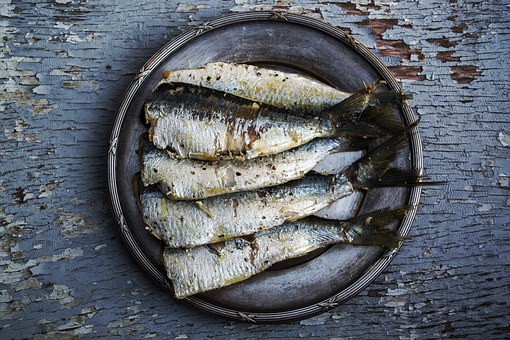 Fresh sardines are so much better when you pair them with a glass of Vermentino
Search

Recent Articles


-
Aglianico wine variety in Australia
Oct 09, 26 08:16 PM
 Aglianico red wine variety in Australia: description, producers and regions
 -
Sagrantino wine in Australia
Oct 09, 26 02:03 AM
 Sagrantino red wine variety from Umbria, Italy now made in Australia by over 30 innovative wineries
 -
Mencia Red Wine Variety in Australia
Sep 05, 26 10:35 PM
Mencia a red wine variety from NW Spain, now being produced by these Australian winemakers -
Nagambie Lakes Wine Region in Central Victoria
Aug 26, 26 01:19 AM
 Nagambie Lakes Wine Region in Central Victoria its grape varieties and wineries including the iconic Tahbilk
 -
Chenin Blanc white wine variety
Aug 21, 26 10:37 PM
 Chenin Blanc white wine variety. Description and producers in Australia
 -
Alternative Varietal Sparkling Wine
Aug 21, 26 04:56 PM
Do you enjoy sparkling wine? Try these from non traditional varieties


My new Book


 Frankly This Wine is made by Bob
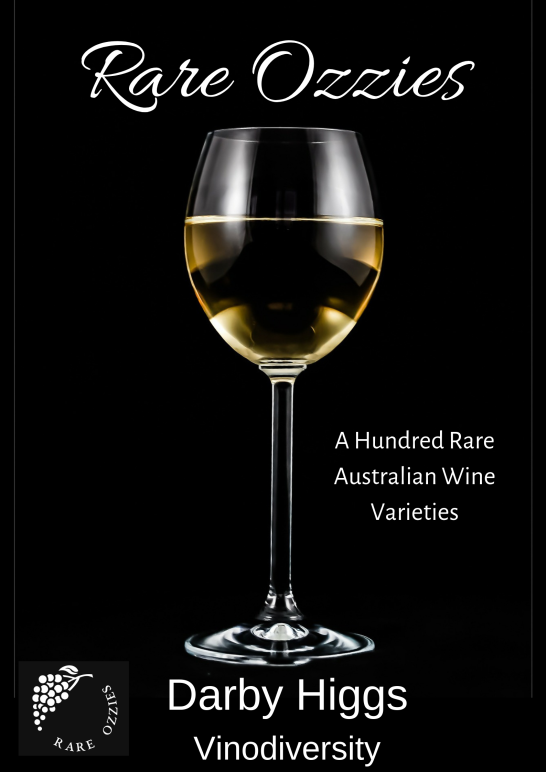 Order this book about Rare Aussie wines
 This book describes the most important wines globally
 Savina Road in the Granite Belt Region is a Site Sponsor of Vinodiversity
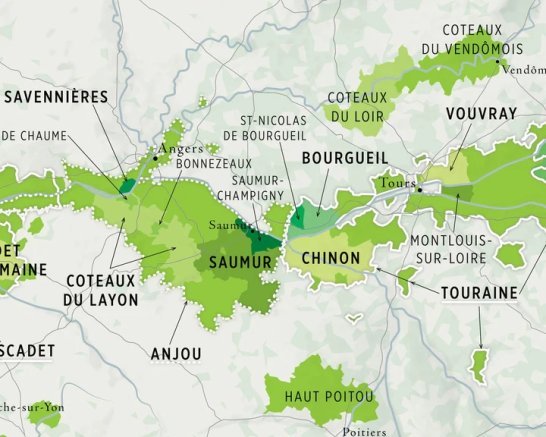 Detail of the new map of France. Italy and Spain also available
Become a Site sponsor
You can use this space to promote your winery or wine based business.
See this page for details
Contact Darby for details.