Beyond Shiraz Book
Paperback and E-book
Now Available
Norton Wine Grape Variety
Norton is a red wine variety from the species Vitis aestivalis, originating in the eastern United States. It is now being trialled in the Hastings Rivers region of New South Wales.
What are American Vine Species?
All wine grapes belong to the genus Vitis. Most wine throughout the world is made from the Vitis vinifera species (also known as European Vines). However, significant amounts of wine are made with other species native to North America.
V. aestivalis is one of many North American species used for wine production and the principal variety used is Norton. Other species including V. labrusca, V. rupestris, V. riparia are used in the US for winemaking but with declining popularity.
The wine produced from American vine species often has a distinctive flavour, often referred to as 'foxy'. This is mildly unpleasant to most consumers and winemakers try to minimise it.
American vine species are resistant to many diseases and to the Phylloxera louse. Thus, they are used extensively as rootstocks with European varieties grafted on to them.
The other important use of American vine species is as co-parents of hybrids with V. vinifera species. These hybrids, called French Hybrids have resistance to pests and diseases such as Downy Mildew and Powdery Mildew which are common wherever and whenever there is summer rain and humidity. Unfortunately the wines made from these hybrids often retain a hint of 'foxiness.'
In Australia the most successful hybrid with American parentage is Chambourcin. This is used in NSW and Queensland where summer rain can be a problem. Another Hybrid, Isabella or Fragola is popular with home winemakers, especially of Italian descent and is also used by some commercial wineries.
Norton Wine Variety
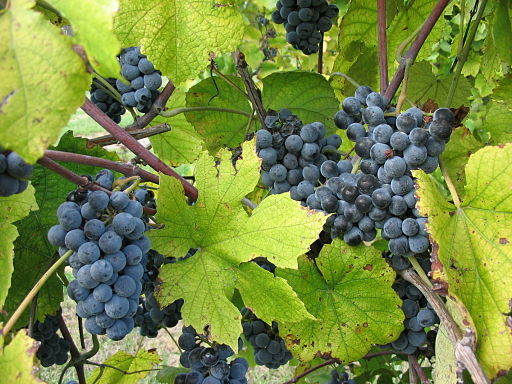
Norton is widely regarded as the best of the American vine species to produce a wine which tastes most like wine made from V. vinifera. In fact many tasters cannot distinguish Norton from wines made with European varieties.
The variety originated in Virginia in the Nineteenth Century.
There is some mystery surrounding the actual creation of the Norton varietal, but in the 1820s Dr. Daniel Norborne Norton, of Richmond, Virginia produced the hybrid that bears his name.
It is believed that Dr. Norton was actively experimenting with grape cultivation, but the Norton variety may have been a mutation occurring outside any controlled conditions. Mutation from seeds can easily occur, so there is some doubt surrounding the actual lineage of the grape.
Norton IN Australia
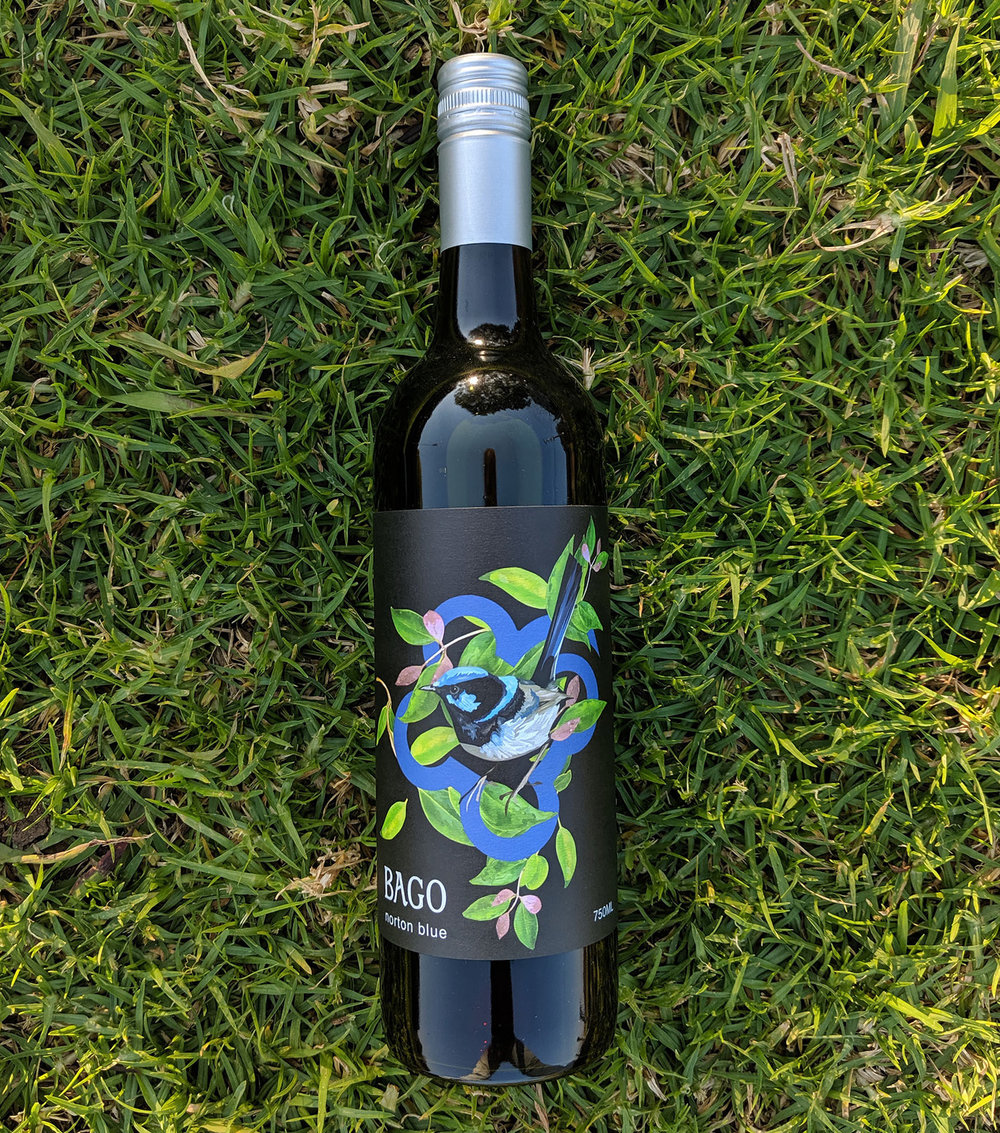
In 2010 Bago Vineyards in the Hastings River Region commenced a trail with this variety. It was found to be suitable in the region known for its humid summers. They now produce a lighter style dry red wine called Norton Blue.

You might like these
Brachetto wine variety in Australia
Brachetto is a red wine variety used to make frizzante style wines
Pinotage wine variety in Australia
Pinotage wine variety, from S Africa, now grown in Australia, producers and regions
New producers of rare varietal wines in Australia
New Australian producers of rare varietals not in the Rare Ozzies book


See the full list of varieties described on this site

Subscribers to Vinodiversity Community get invites to Darby's Special Taste and Talk Sessions.
Search

Recent Articles


-
Pecorino wine in Australia
Jan 26, 26 07:26 PM
 Pecorino white wine in Australia, description, producers and regions
 -
Touriga Nacional Wine Variety in Australia
Jan 24, 26 11:14 PM
Touriga Nacional Wine Variety in Australia, description and producers -
Garganega white wine variety
Jan 21, 26 02:33 PM
 Garganega, best known for its role in Italy's Soave wines, is also used in Australia. See Aussie wineries using it.
 -
Picpoul wine variety in Australia
Jan 19, 26 06:08 PM
 Picpoul wine variety in Australia: description and growers
 -
Arinto wine in Australia
Jan 17, 26 06:28 PM
 This is a Portuguese white wine variety now making beautiful wines in Australia
 -
Falanghina in Australia
Jan 16, 26 03:42 PM
 Australian wineries in Australia making Falanghina, a variety from Campania Italy


My new Book




Our Site Sponsors
 Cargo Road Wines in the Orange NSW region is a Site Sponsor of Vinodiversity
 Hahndorf Hill Winery in the Adelaide Hills is a Site Sponsor of Vinodiversity
 Frankly This Wine is made by Bob
 Order this book about Rare Aussie wines
 This book describes the most important wines globally
 Savina Road in the Granite Belt Region is a Site Sponsor of Vinodiversity
 Detail of the new map of France. Italy and Spain also available
Become a Site sponsor
You can use this space to promote your winery or wine based business.
See this page for details
Contact Darby for details.